ICEJ biedt bescherming aan centrum voor mensen met een beperking
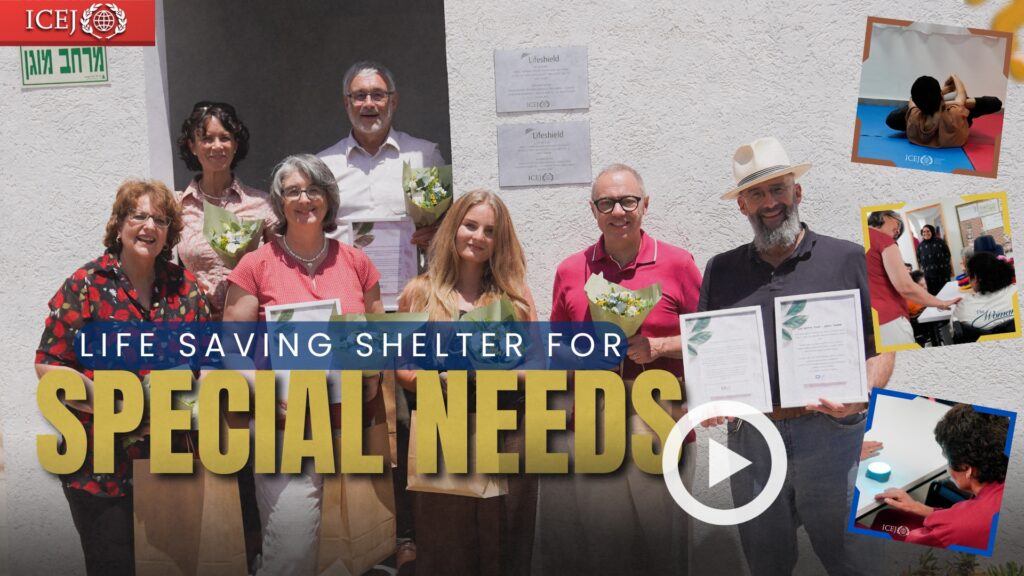
Publicatiedatum - 06/10/2026ICEJ staff recently visited two special-needs daycare centers in the Zevulun region of northern Israel. The centers are located close to each other in neighboring kibbutzim. Our team visited both to dedicate a donated bomb shelter, enabling the Usha center to remain open during times of crisis.
During the visit, the staff saw firsthand the dedicated work being done to support people with cognitive and physical disabilities, and autism.
Behind this work is a team that includes managers, social workers, nurses, occupational therapists, speech therapists, behavioral specialists and other professionals. Together, they create structured daily routines and programs that help participants develop skills, build confidence and experience greater independence.
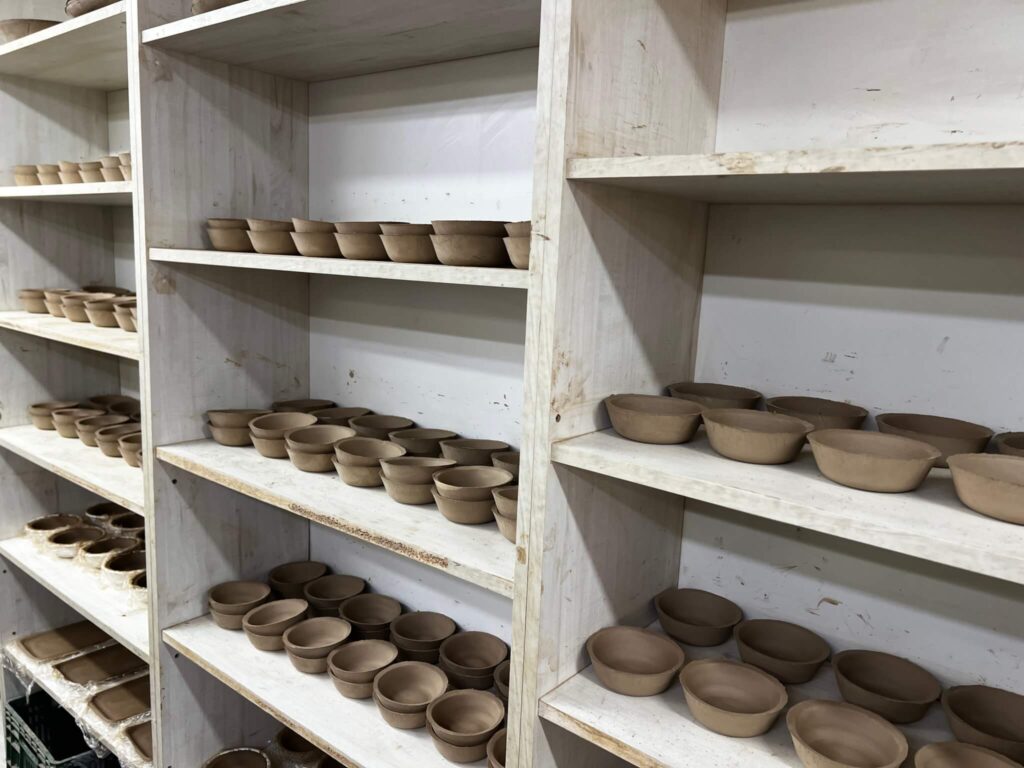
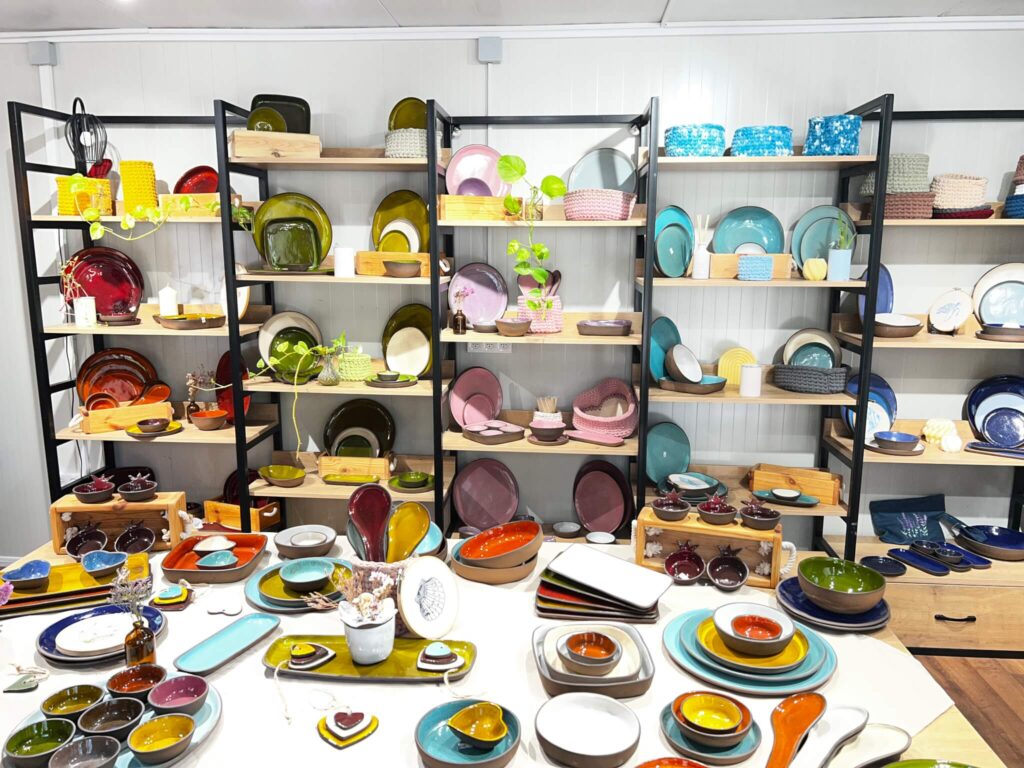
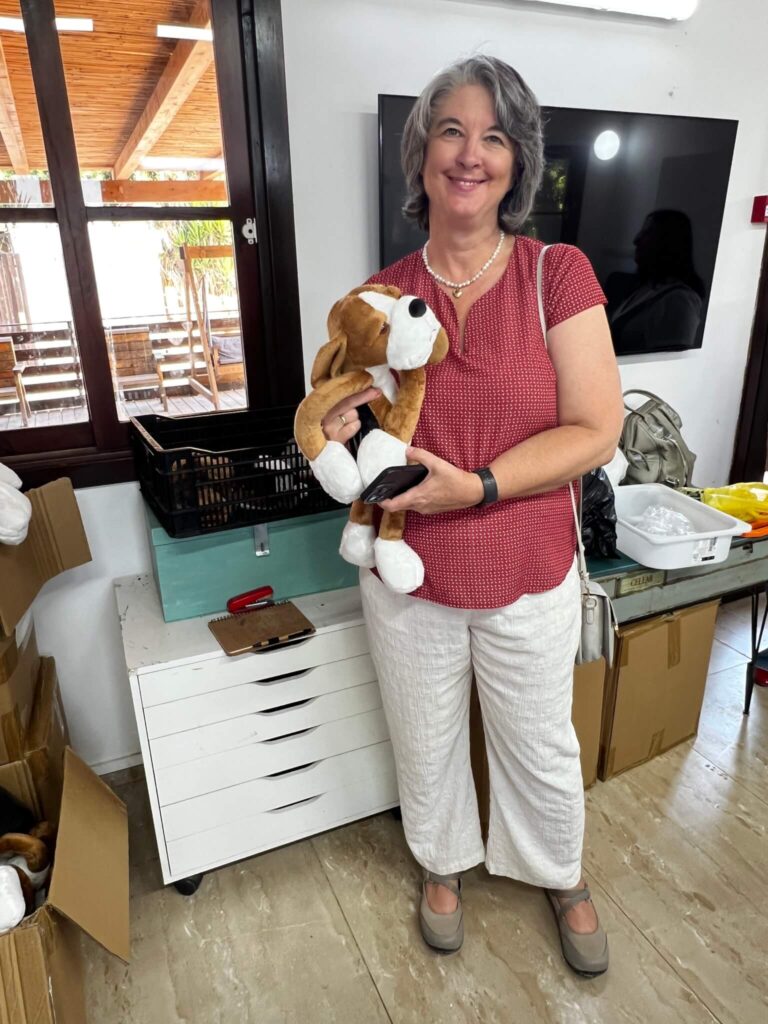
In het eerste centrum, gelegen in de kibboets Kfar HaMaccabi, leidde de manager, Leigh, die tevens maatschappelijk werker is, leidde ons team rond door de faciliteit. Daar waren ze getuige van diverse lopende workshopactiviteiten, zoals het voorbereiden van klei voor het maken van prachtig beschilderde keramische voorwerpen, het leren borduren om tassen en wandkleden te maken, het vervaardigen van speciaal speelgoed gevuld met een zandzakje dat bedoeld is om kinderen met autisme troost en een gevoel van veiligheid te bieden, en een houtbewerkingsatelier waar speciale bloembakken en andere voorwerpen worden gemaakt.

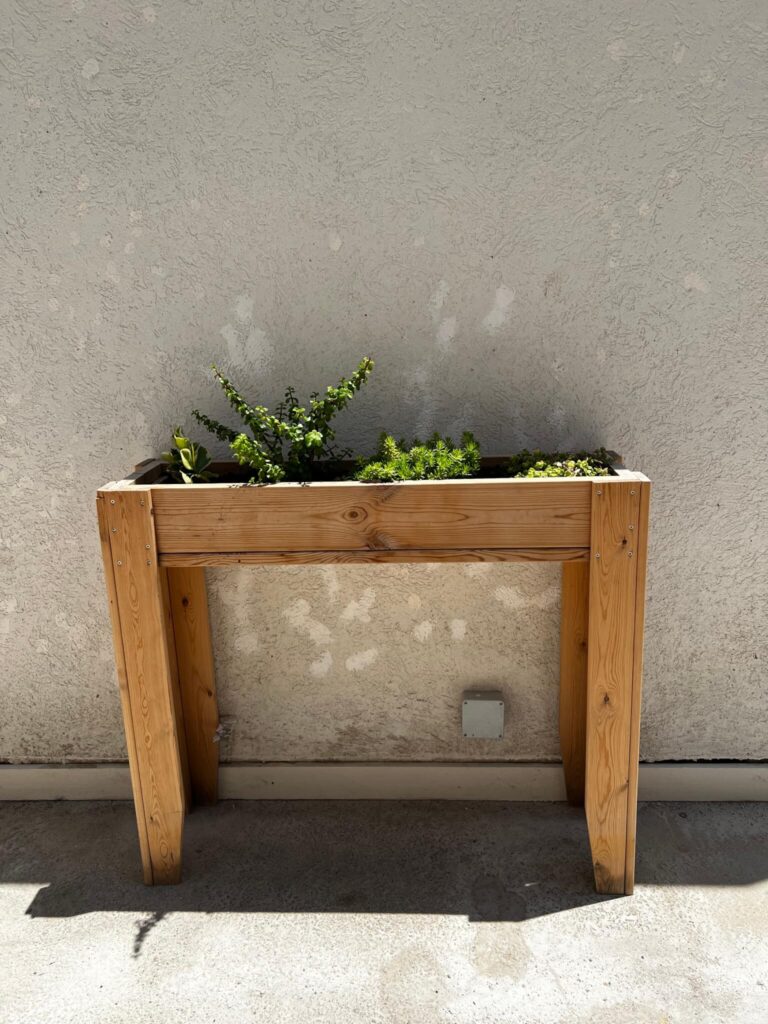
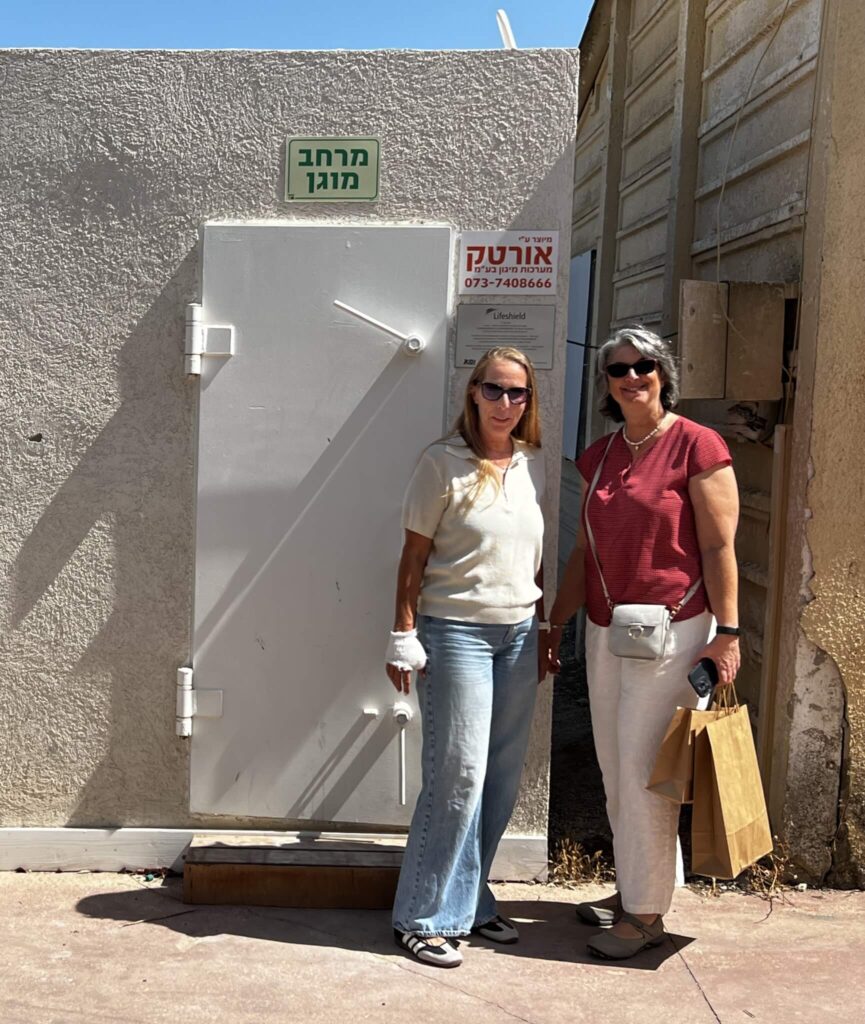
These activities provide opportunities to learn practical skills, encourage creativity, and produce items that can be enjoyed by others, with some prepared for sale in a small on-site shop. The team enjoyed purchasing some of the beautiful pottery items in the shop, and along the way, also visited the protective shelter donated through the generosity of our German friends.
Leigh explained that this center is an occupational facility for those over 21 years old with cognitive, autistic or physical disabilities. Some of their “clients” live with their parents, while others reside in group households. They have 120 clients who attend the center daily between 7am and 3pm and they operate in a friendly, open environment, without any fences on the property.
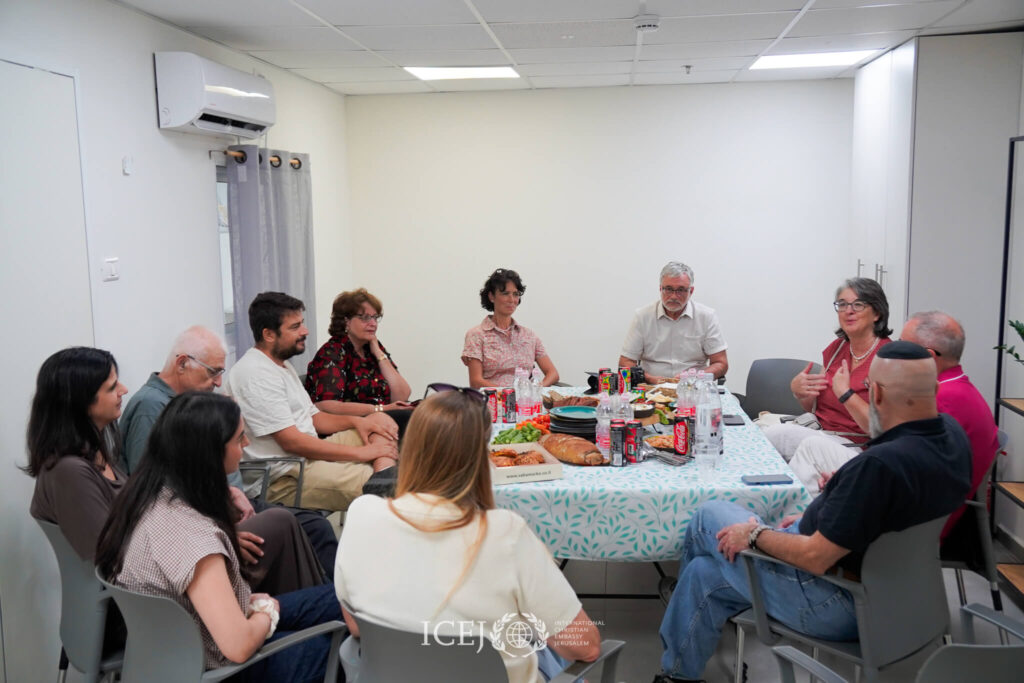
Na een korte rit naar het tweede centrum, gelegen in kibboets Usha, schoven de leiding van de ICEJ en de leiding van het kinderdagverblijf aan voor een heerlijk verzorgd buffet met hapjes en drankjes. Het was een geweldige gelegenheid om te praten over het werk van de ICEJ en hoe duizenden christenen over de hele wereld Israël steunen, terwijl ze tegelijkertijd meer te weten kwamen over de faciliteiten en de zorg van het centrum, en hoorden over het bredere netwerk van instellingen verspreid over Israël dat zich richt op zowel joodse als Arabische cliënten met speciale behoeften. Ze benadrukten ook het belang van hun werk bij het ondersteunen van familieleden en spraken hun zorgen uit over de zorg voor hun dierbaren wanneer zij daar zelf niet meer toe in staat zijn.
Een opvangcentrum voor een kwetsbare gemeenschap
Tijdens het bezoek werd ook een grote schuilkelder voor deze faciliteit ingewijd. Nicole Yoder, vicevoorzitter van de ICEJ voor hulpverlening en aliyah, plaatste samen met Dominique-Pierre Walter, nationaal directeur van ICEJ-Zwitserland, twee inwijdingsplaquettes bij de ingang. Shmuel Bowman, directeur van Operation Lifeshield, legde uit dat het hier gaat om een speciale schuilkelder voor scholen, die is goedgekeurd door het Israëlische ministerie van Onderwijs.
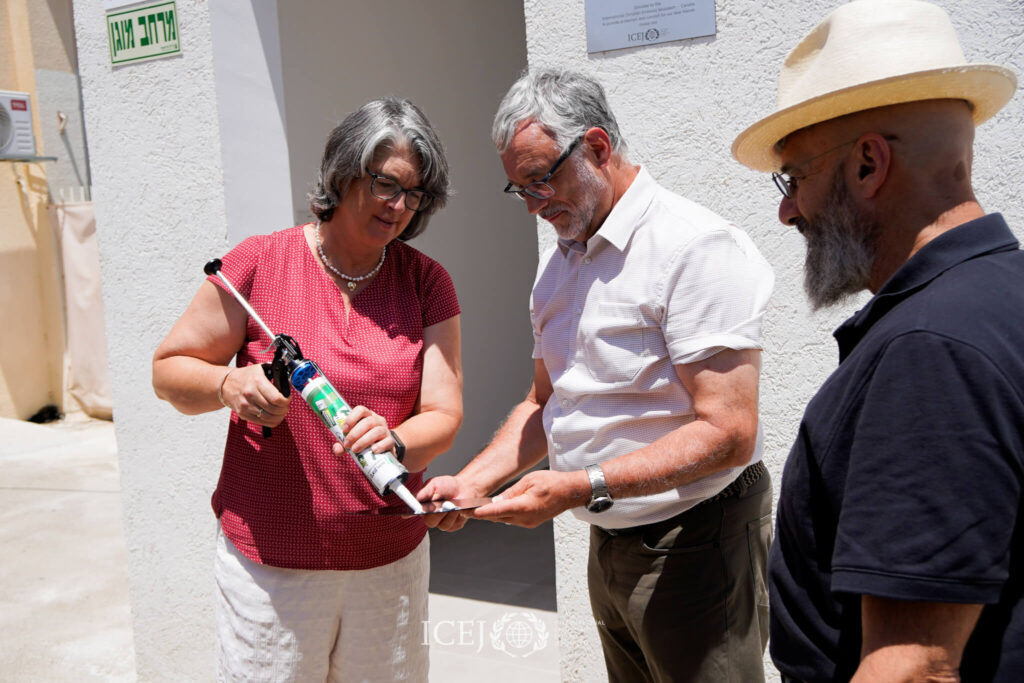
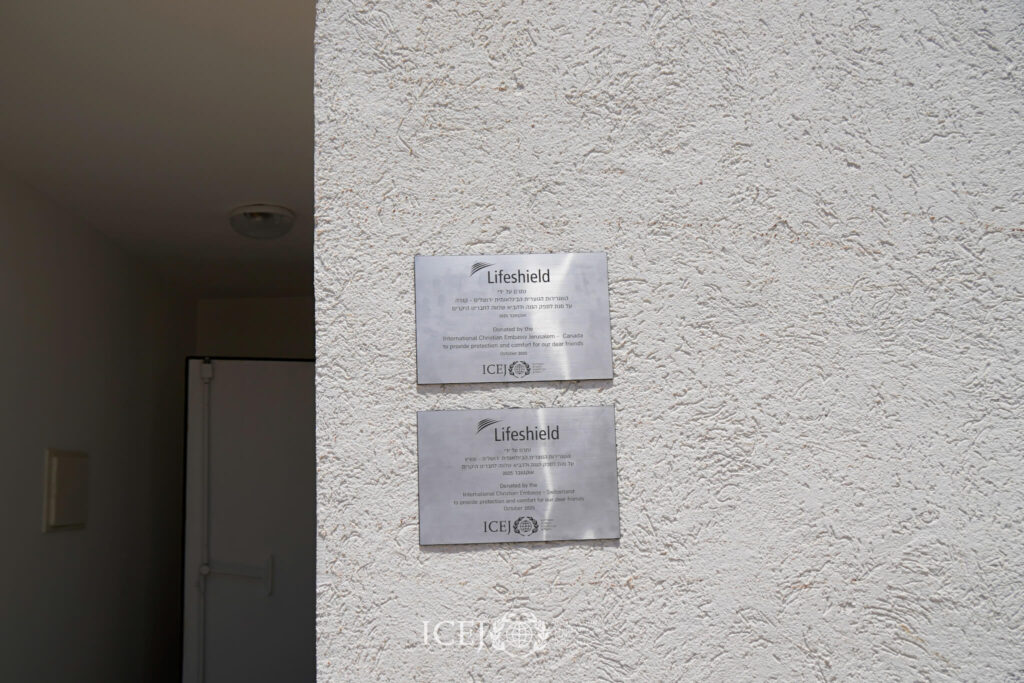
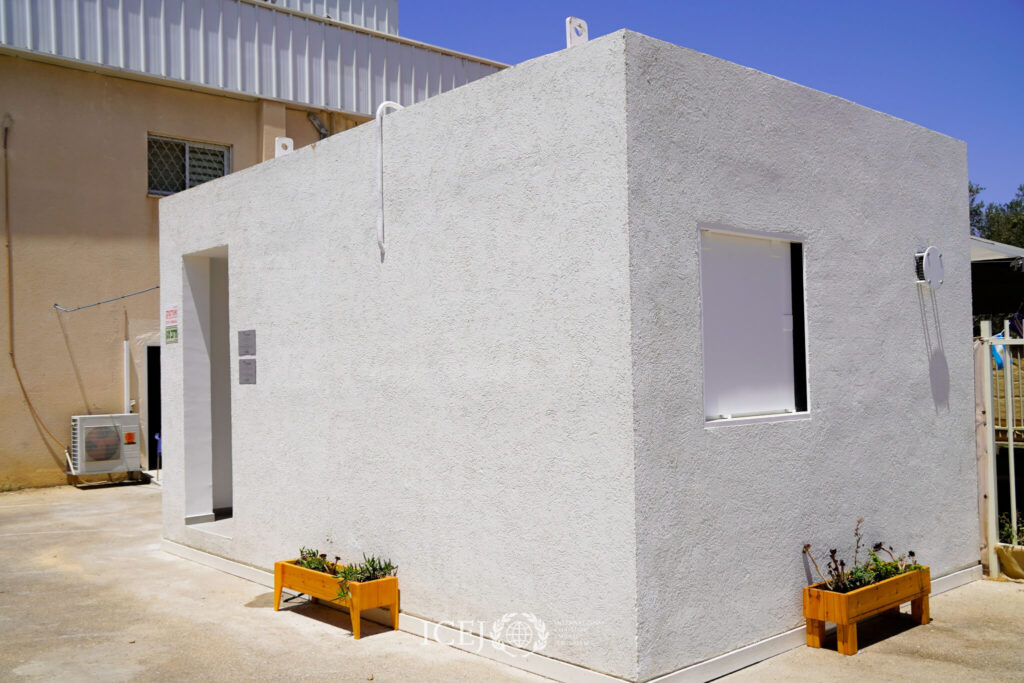
“Today we have had the privilege of dedicating this beautiful shelter for a facility that cares for special needs people, and we are so excited and so grateful to both our friends from Switzerland and from Canada who have made this special day possible”, shared Nicole Yoder.
The ceremony offered a meaningful expression of love and solidarity with a community that depends on both specialised care and protection during times of crisis. The new Usha shelter will protect the daycare center’s clients and staff while also serving nearby residents, since many older homes on the kibbutz do not have their own protective spaces.
Small Steps, Meaningful Progress
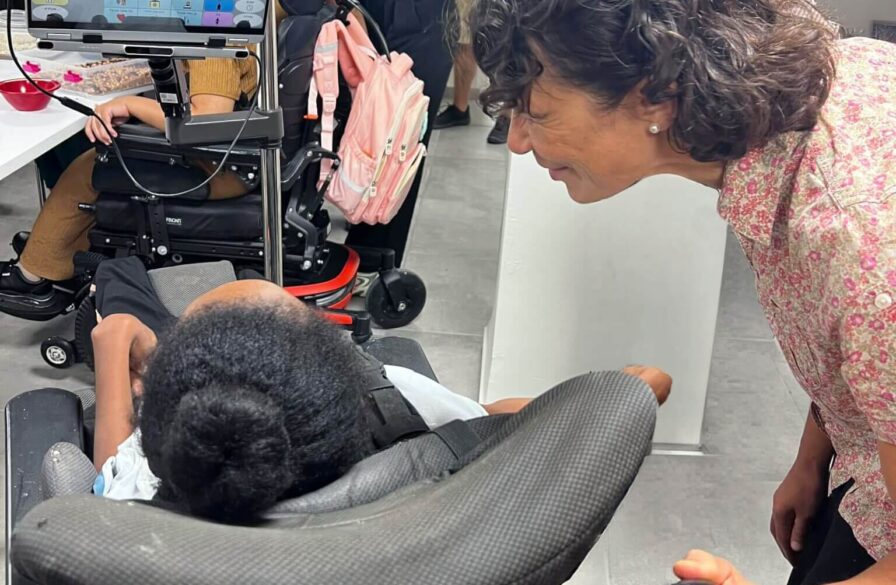
This Kibbutz Usha daycare center serves around 70 people each day through specialised programs tailored to individual needs. Some participants require assistance with everyday activities such as eating, dressing and showering. Others participate in structured behavioral programs designed particularly for people with autism, where even simple achievements can represent significant milestones.
One of the social workers, Tal, described how participants are progressing from using only spoons to eat with, to learning how to use knives and forks properly. “What might seem like a small step is, for these participants, an important part of developing life skills and independence”, she shared. “Daily schedules are carefully structured, with activities adapted to the abilities and needs of each individual.” For participants who cannot read, visual pictures are used to communicate the schedule and expectations for the day.
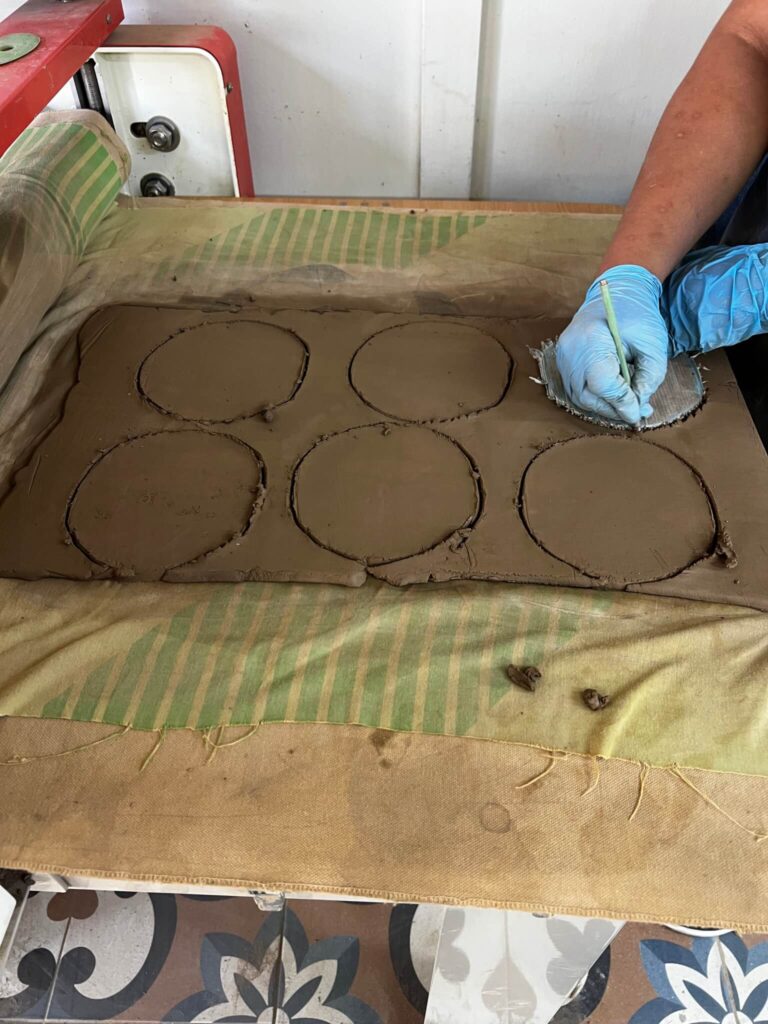
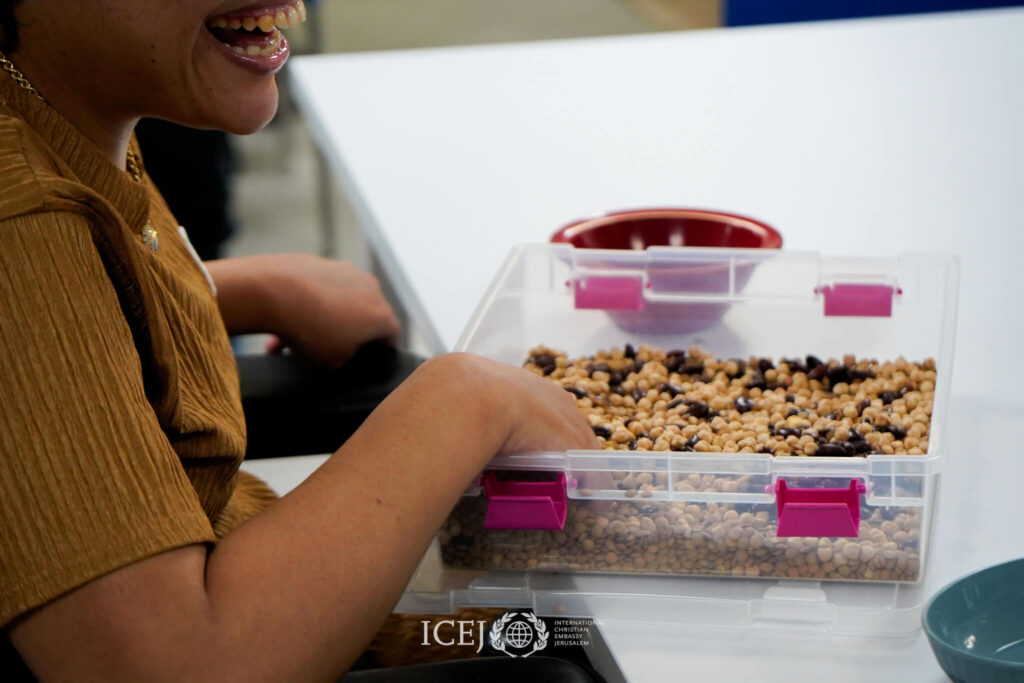
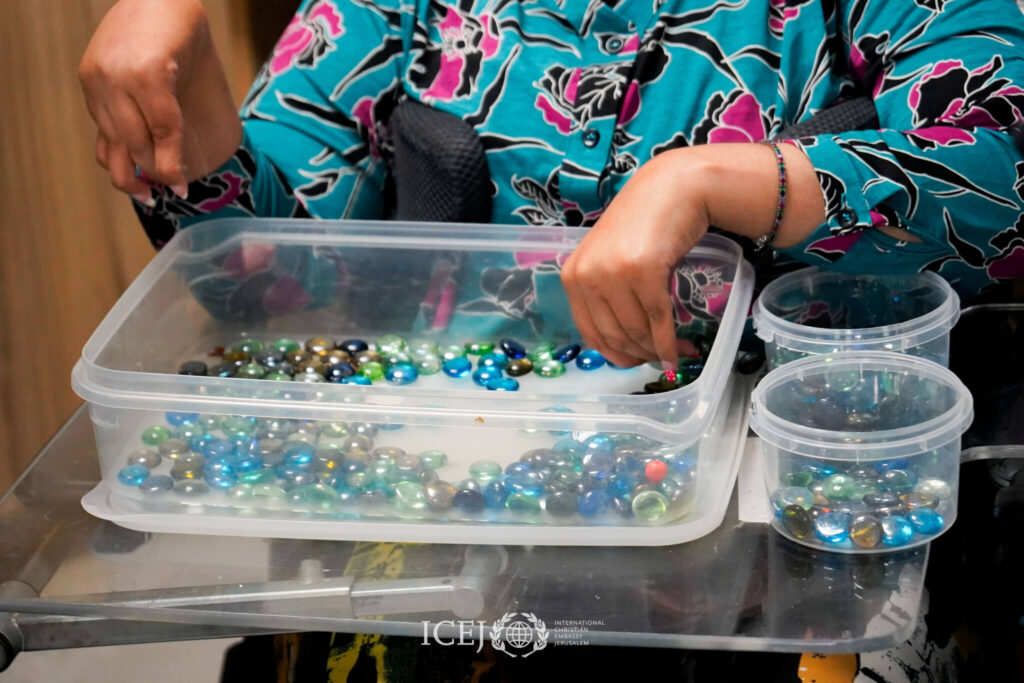
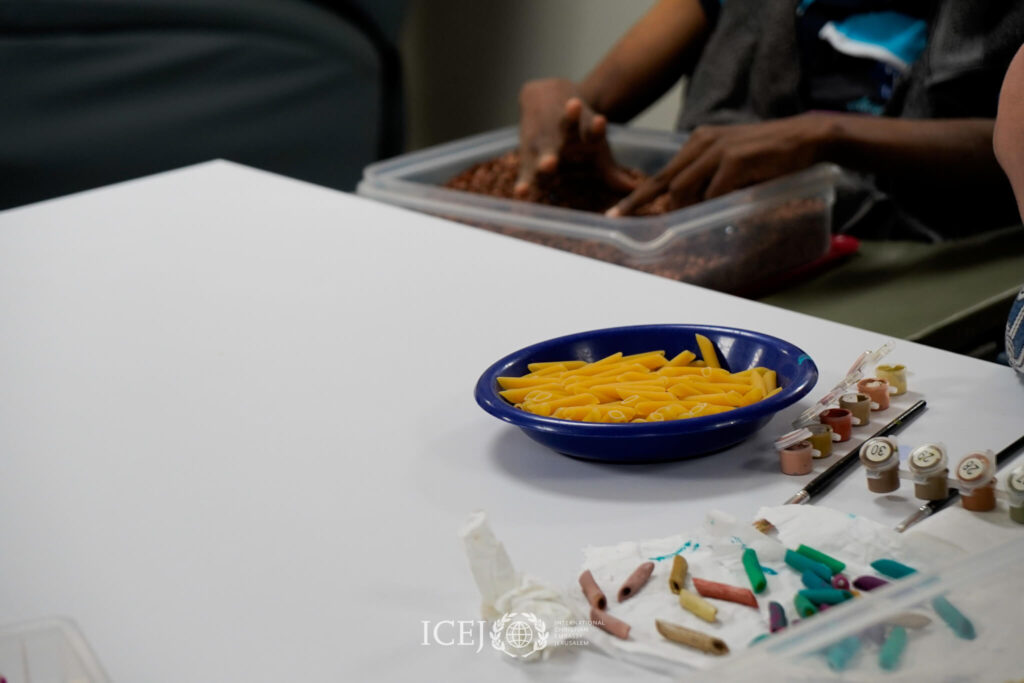
De activiteiten worden afgestemd op de fijne motoriek, de cognitieve vaardigheden en de individuele behoeften van elke deelnemer. Tijdens het bezoek zagen medewerkers van ICEJ hoe deelnemers gekleurde bonen sorteerden, noedels beschilderden, spelletjes speelden en met hun oogbewegingen voorwerpen op een computerscherm bedienden.
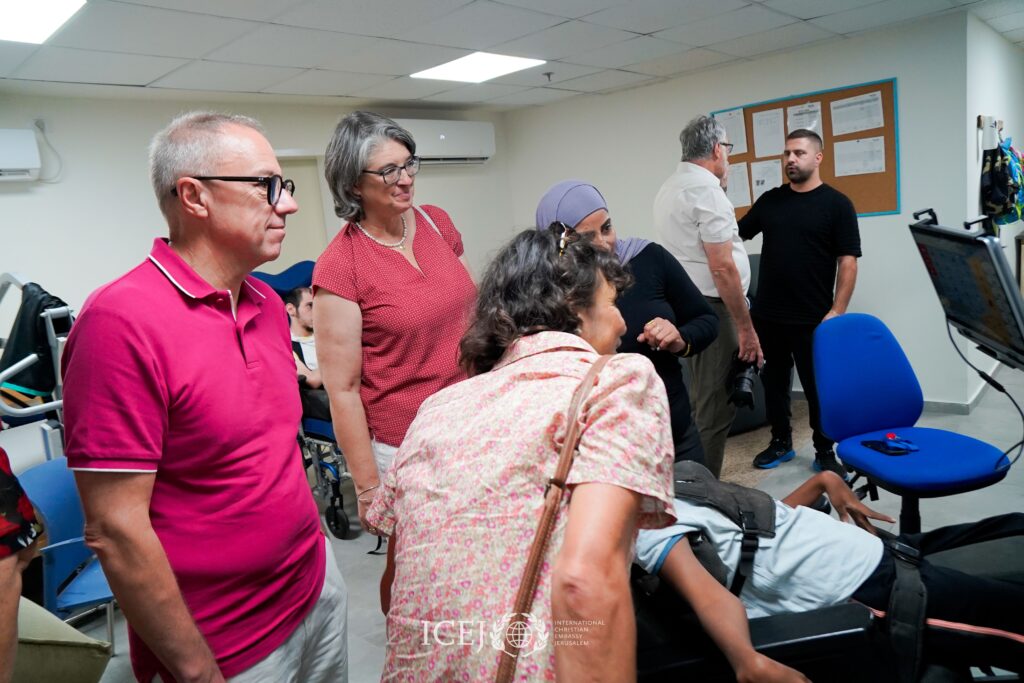
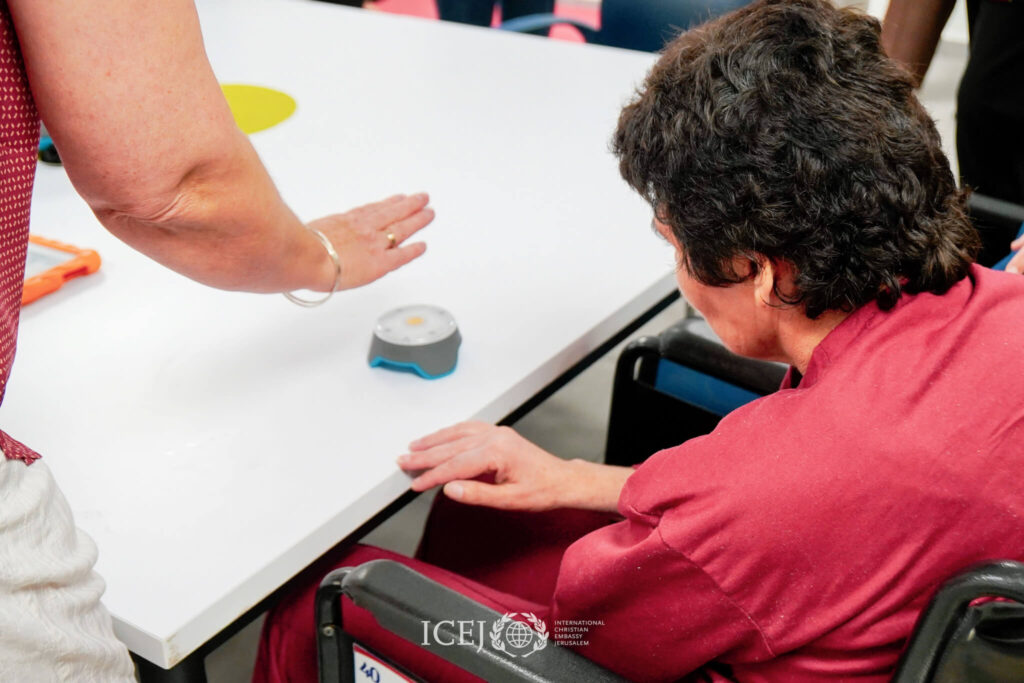
For participants at this special-needs center, the new bomb shelter offers protection while the center itself offers something more: hope, encouragement and opportunities to learn, create, work and grow according to each person’s abilities.
The ICEJ is dedicated to strengthening communities, protecting vulnerable Israelis and bringing practical Christian love to those who need it. Your support of our Israel in Crisis fund assists this essential work. Please consider a gift today.
Geschreven door Laurina Driesse
Bekijk hier onze speciale video ter ere van de opening van het opvangcentrum: